

Day 3: Stillness Isn't Silence
The Neurodivergent Philosopher: Daily Meditations
“Nowhere you can go is more peaceful—more free of interruptions—than your own soul. Especially if you have other things to rely on. An instant’s recollection and there it is: complete tranquillity. And by tranquillity I mean a kind of harmony.” — Marcus Aurelius, Meditations 4.3
The Stoics talked endlessly about stillness.
But they didn’t mean silence.
Stillness isn’t the absence of movement. It’s the absence of reaction.
Your mind will move, that’s what it does. Thoughts will come in clusters, tangents, spirals. Attention will shift. This is not failure. This is your baseline.
The neurotypical world conflates stillness with a quiet mind. They’re wrong.
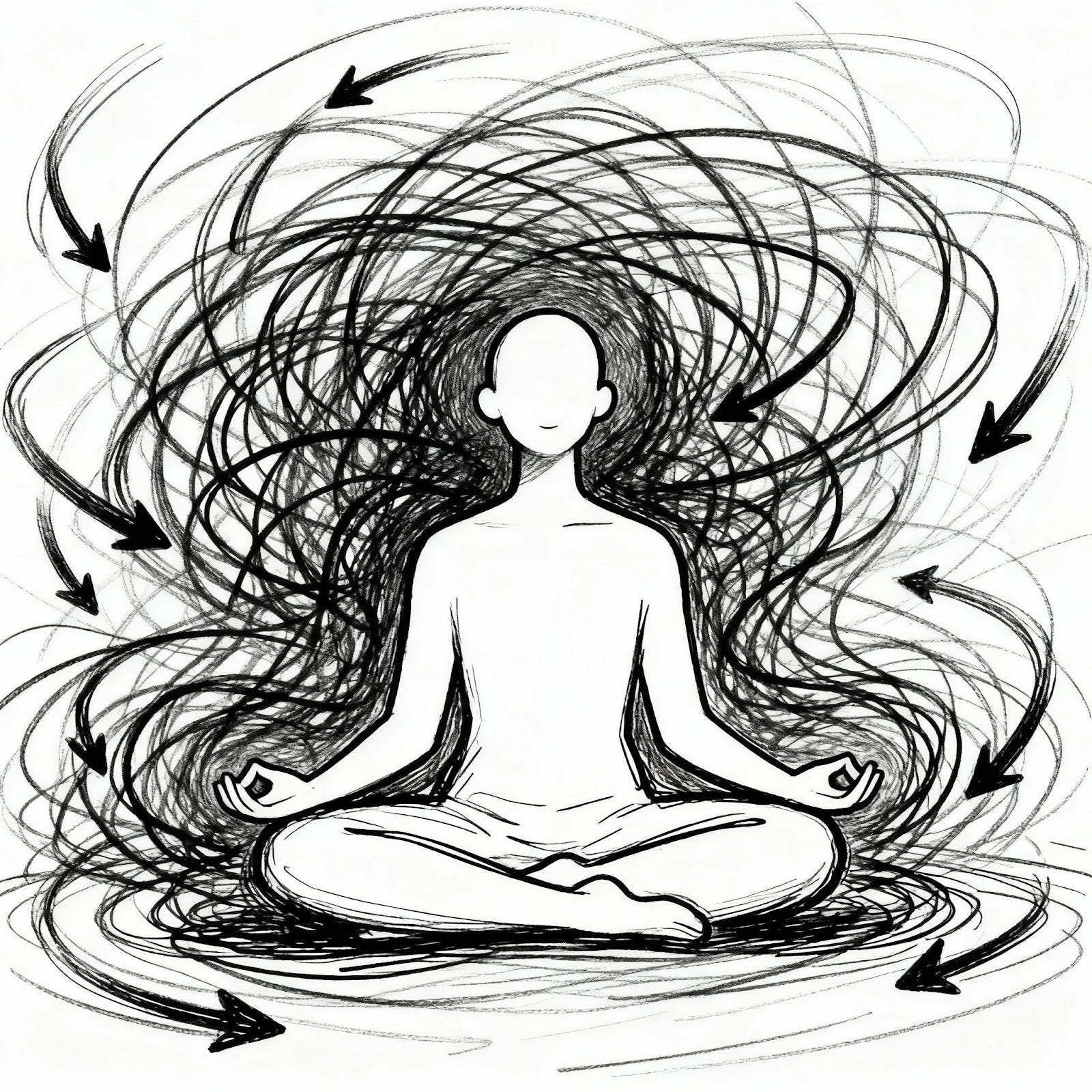
Stillness is non-reactivity to the movement.
You can have a mind full of thoughts and still be still. You can have sensory input flooding your system and still be grounded. You can feel restless and not be controlled by the restlessness.
This is the Stoic practice: observing without being swept away.
Marcus Aurelius had a racing mind. Seneca dealt with chronic anxiety. Epictetus was enslaved, disabled and constantly managing a nervous system under siege.
None of them achieved silence.
They achieved equanimity in the noise.
Today:
You don’t need a quiet mind to have a still one.
Notice when you’re watching your thoughts vs. when you’re in them.
That distance — however brief — is stillness.
You don’t need to stop the movement.
You need to stop being moved by it.