

70+ Hidden Indicators of ADHD in Girls and Women.
Crisis Point: Why Educating Healthcare Professionals, Teachers & Parents Isn't An Option Anymore

ADHD is under-recognised and under-diagnosed, particularly in females. Girls and women have more inattentive indicators than hyperactivity or impulsivity, than our male counterparts, meaning our ADHD is less visible than males.
Coupled with a high likelihood of co-occurring anxiety and other emotional challenges, further disguising our ADHD.
Making it harder to detect and more susceptible to misdiagnosis.
“Even after extensively reaching out for help for mental health problems, women were diagnosed 4 years later than males”, according to a study of 85,000 patients with ADHD.
Considering untreated ADHD costs the Irish economy approximately £3bln a year and the UK economy £17 billion, it’s probably about time our governments invest accessible care, no?
The mortality rate for people with ADHD is double the general population (primarily due to accidental deaths, suicide and lifestyle-related diseases such as substance abuse and eating disorders…not primarily natural illnesses).
Further research found that people with ADHD reported 26.6 years less to live than the control group.
A recent UK study found that women’s lifespan decreases by ~9 years due to having untreated ADHD
Have a go for yourself and check your health expectancy with this calculator. By sticking to the basics, good nutrition, sleep and daily exercise we can dramatically increase our life expectancy.
In response to this, we created The ADHD Series: Fit & Focused with ADHD that helps people get start on a healthier path, as medication isn’t the holy grail answer everyone thinks it is.
Girls with undiagnosed or untreated ADHD are more likely to commit suicide than their neurotypical peers.
Women with ADHD more likely…
to suffer a divorce,
be a single parent,
be undereducated,
be underemployed or unemployed,
suffer from insomnia and
live in constant stress due to difficulty in managing the demands of daily life expected of them from society.
Oh, one last thing…ADHD can also occur in highly intelligent women…therefore, a woman with a satisfactory or above average academic achievement or a successful career, should not rule out a diagnosis.
The above sends shivers through my spine.
Partly, because I have experienced it.
Partly, because after spending 3 years studying ADHD in all forms….performing mini-experiments on myself, interviewing health/medical/research professionals across the globe, setting up and running an ADHD/Autism diagnostic clinic, talking to others and hearing their experiences, reading hundreds of scientific research papers, spending hours trawling all corners of the internet, distilling all the above into building our own LLM for healthcare clinics…
AND…reflecting on 44 years of my own lived experience…
I finally understand how big the problem actually is!
It scares the bejesus outta me.
I don’t have the solution. But something deep inside is driving me to try and find it. What I do know for sure, is I cannot do this alone and the solution most certainly is a collaborative one.
I think it’s time we took women’s mental health more seriously. Don’t you?
Let’s start by raising awareness.
This isn’t anyone’s fault…it’s systemic. It’s how people were trained to think, how people were educated, capital distribution for capitalistic reasoning. We can break through the many layers of the systemic onion together, one layer at a time, uncovering the core with many small steps…please share this post with your friends and networks. Thank you.
How ADHD Shows Up in Girls and Women.
The presentation of Attention Deficit Hyperactivity Disorder (ADHD) in girls and women often differs from the typical male presentation, making it crucial to understand the unique indicators across the lifespan.
Females are often described as having a less overt, more subtle and internalised symptom profile.
The following are indicators for ADHD in girls and women, categorised by symptom type and associated features, drawing from a review of item-level symptom studies, expert consensus and clinical research across 96 different sources.
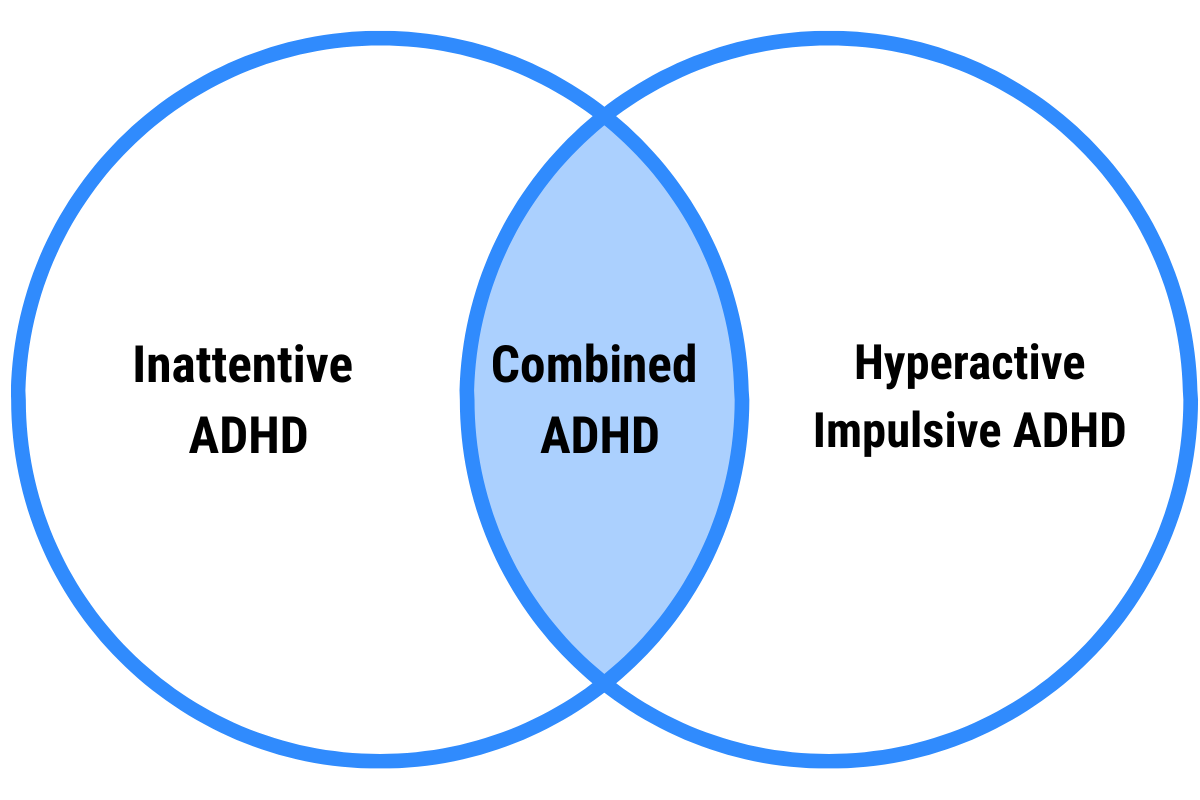
Predominant Female Symptom Profile: Inattentive
Girls and women are significantly more likely to present with the predominantly inattentive type of ADHD.
Core Inattention ADHD Symptoms
Inattentive symptoms are often the focus of difficulties for girls and women as these “quiet struggles” are easily overlooked by parents and teachers.
Specific Item-Level Findings:
Fails to sustain attention in tasks (more likely in females with childhood ADHD than males).
Often easily distracted (more likely in females with ADHD in both childhood and adulthood than males).
Often has difficulty organising tasks (more likely in females with adult ADHD than males).
Descriptive Inattention Indicators:
Daydreaming (common in the inattentive subtype).
Disorganisation (or difficulty organising tasks).
Difficulty focusing or concentration problems.
Lack of attention to details.
Forgetfulness.
Losing personal items (keys, backpack, things).
Difficulty following directions.
Difficulty finishing tasks.
Lack of effort or motivation.
Feeling easily overwhelmed.
Mind wandering.
Presenting as passive or sluggish.
Struggling with the executive functioning domain of working memory.
Inadequate internal representation of time (referred to as “time blindness”).
Reluctance to read.
Workplace challenges (in roles requiring multitasking, organisation and focus, often leading to burnout from overcompensating)
Core Hyperactivity/Impulsivity ADHD Symptoms
While females often show fewer overt hyperactive-impulsive symptoms compared to males, these symptoms can manifest differently.
Specific Item-Level Findings:
Often talks excessively (more likely in females with adult ADHD than males).
Often blurts out answers (more likely in females with adult ADHD than males).
Internal restlessness (hyperactivity appears as mental restlessness or “racing thoughts,” which cannot be perceived by others).
Descriptive Hyperactivity/Impulsivity Indicators:
External Hyper-verbalisation (overly intense verbal behaviour):
Incessant talking.
Talking rapidly, jumping from topic to topic.
Dominating conversations without realising.
Blurting out thoughts before filtering.
Over-explaining or giving long, detailed stories.
Struggling to pause or let others speak.
Internal Hyper-verbalisation
Constant internal monologue or “mental chatter.”
Replaying conversations or arguments in their head.
Over-thinking what to say next, rehearsing lines.
Mental “script writing”…conversations running on a loop.
Feeling like the brain won’t “switch off,” even in quiet moments.
Doodling (as a form of internal hyperactivity).
Fidgeting (in less obvious ways than boys, such as twirling hair, chewing cuticles or nails, or toe tapping).
Emotional excitability.
Impulsive “lashing out”.
Impulsive changes in conversation topics
Changing friends impulsively
Difficulty waiting/challenges with waiting.
Interrupting others.

Emotional and Internalising Indicators (Red Flags)
Girls and women are more likely to display associated emotional and internalising challenges:
Emotional lability and emotional dysregulation problems
irritability,
low frustration tolerance,
fast-shifting moods,
mood changes,
emotional volatility,
volatile emotions.
Anxiety:
often chronic,
generalised anxiety disorder,
physiological anxiety,
learner anxiety or
anxiety about getting school assignments in on time
Depression/Low mood:
including major depressive disorder,
anhedonia - difficult to feel pleasure in pleasurable things
negative self-esteem,
negative mood.
Stress (often related to persistent internalising symptoms).
Emotional Distress.
Low self-esteem, self-doubt, self-blame, or feelings of inadequacy.
Shame (by age 12, kids with ADHD hears negative feedback more than 20,000 times).
Perfectionistic behaviour/Perfectionism:
often developed as a compensatory strategy for difficulties and
hides struggles, leading to relentless self-monitoring, anxiety and burnout.
Loneliness.
Rejection Sensitive Dysphoria (RSD):
RSD Internal signs (what the person feels):
Crushing shame or humiliation after small criticism.
Replaying conversations for hours or days.
Feeling physically sick, panicked, or like “the world has ended” after perceived rejection.
Interpreting neutral feedback (“could you try it this way?”) as a personal attack.
Intense fear of letting people down.
RSD External signs (what others may notice):
Suddenly withdrawing from relationships or projects.
Over-apologising or people-pleasing.
Outbursts of anger or defensiveness when feeling criticised.
Perfectionism…to avoid any chance of rejection.
Avoiding opportunities altogether (“if I don’t try, I can’t be rejected”).
Difficulty accepting emotions:
Struggling to sit with emotions (e.g. sadness, anger, frustration).
Quickly trying to suppress, rationalise, or distract away.
Feeling emotions as “too much” or “unacceptable.”
Guilt or shame about being “too sensitive” or “overreacting.”
Internal (hidden signs):
Harsh self-talk: “I shouldn’t feel this way.”
Avoiding situations that might trigger uncomfortable emotions.
Bottling up feelings until they explode.
Numbness or detachment when overwhelmed.
External (visible signs):
Minimising feelings (“It’s fine, I don’t care”) even when clearly upset.
Switching quickly to humour or distraction instead of staying in the feeling.
Intense outbursts that seem sudden, but are really a buildup from not processing emotions earlier.
Difficulty naming emotions (alexithymia-like presentation, which is “emotional blindness” difficulty understanding which emotion is which).
Chronic overwhelm in daily life management.
Difficulty in articulating internal struggles and asking for help, often leading to retreating when credibility is (or perceived to be) questioned.
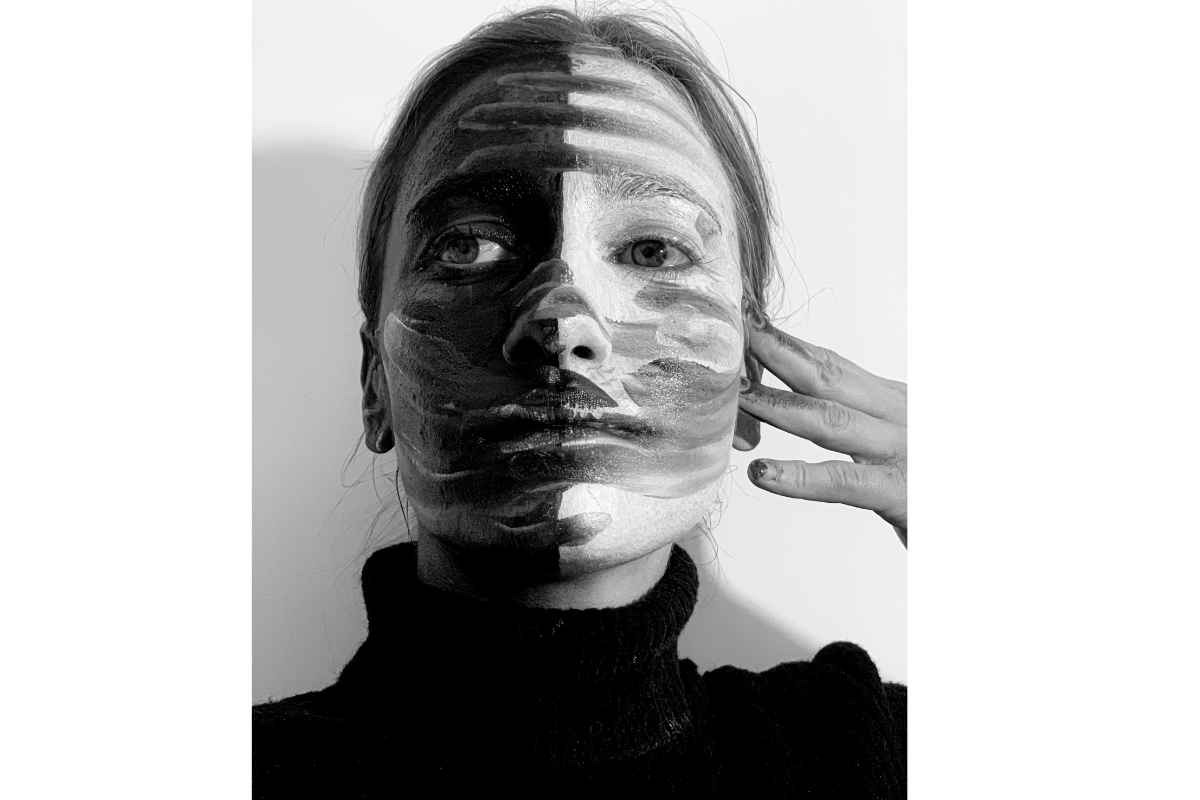
Masking and Compensatory Strategies
Women and girls often develop intelligent, sophisticated coping mechanisms to hide their difficulties or to “fit in”, called masking.
These strategies can make them look organised, compliant and high-achieving on the outside…while internally, they’re absolutely exhausted and overwhelmed.
Making an diagnostic assessment difficult, as they themselves don’t usually know they are masking. I’m still uncovering my masking layers and sometimes I’m absolutely stunned I never notice it before. I like to think of it as a fish in water analogy, does a fish know it’s in water?
Masking/Camouflaging behaviours:
Imitating peers’ social behaviours to “blend in”.
Copying other people’s work styles or routines.
Hiding fidgeting, restlessness, or zoning out.
Putting on a “together” or “polished” persona.
Increased stress and anxiety due to masking and undiagnosed difficulties.
High levels of tension because every interaction feels like performance.
Anxiety about being “found out.”
Emotional burnout after social or work events.
Immense effort or overcompensation:
Working longer hours than peers to keep up.
Taking work home or re-doing tasks for reassurance.
Exhausting oneself to achieve good grades
Striving for perfectionism
Never feeling “good enough.”
Being perceived as overly compliant or behaviourally compliant.
Teachers and bosses describe them as “well-behaved” or “model students.”
Fear of conflict means they avoid speaking up, even if overwhelmed.
Can be mistaken for being “fine” when they’re quietly struggling.
Buffering behaviours:
Using humour, charm or helpfulness to mask difficulties.
Double-checking or triple-checking tasks to avoid mistakes.
Over-relying on lists, apps, colour-coding or sticky notes as survival tools.
Hormonal and Life-Stage Indicators
ADHD symptoms in women often change and intensify during periods of hormonal transition:
Symptoms worsen in the premenstrual period due to estrogen drops.
…sometimes referred to as ‘danger week’
Really? Come on.
Using language like “danger week” to describe the week before girls and women get their period, automatically induces internalised shame and puts the blame on them. This was said by women.
This is an example of how our thought patterns are so ingrained that they are invisible. It’s not the fault of the women who said danger week.
It’s systemic.
“During this time, the severity of symptoms, including ADHD severity, mood, memory, and cognition, increases, which leads people to “call it danger week because they can be dangerous to others”. The individual may lose control over themselves, often leading to feelings of shame and the need to apologise to family, partners or bosses afterwards”
I’m guilty of saying similar things myself. Sorry, let me rephrase that…I tend to catch myself saying similar things and I’m undergoing a process of unlearning various thought patterns. That’s why I write. To think. Back to the indicator list…
Puberty: Symptoms may increase in severity as estrogen enters the picture.
Girls in their early teens with ADHD may show more aggressive behaviour,
academic problems and
earlier signs of substance-related problems than control girls.
Perimenopause and Menopause: Symptoms can intensify or become unmanageable as estrogen declines. Emotional changes and cognitive problems occurring during menopause impact ADHD symptoms significantly.
Pregnancy and Postpartum: Increased risk of Postpartum Depression (PPD) and postnatal anxiety.
Increased risk of Premenstrual Dysphoric Disorder (PMDD).
Impairments and Functional Problems
Females with ADHD generally experience serious impairments across multiple domains, which may serve as triggers for referral:
Academic problems:
lower achievement,
difficulty in classroom learning,
disparity between educational performance and achievement.
Interpersonal relationship problems:
difficulty with peer relationships,
social problems,
conflict,
inability to manage and maintain functional interpersonal relationships,
social isolation.
Vulnerability to bullying (physical, social-relational and cyberbullying).
Adverse home impacts/Impairment in home life (more impaired than males with ADHD).
Occupational challenges:
difficulty with tasks,
lower employability,
reduced economic prosperity.
Difficulty managing money.
Lack of planning for the future.
Poor emotional control… the best predictor of dissatisfaction with life in females
High-Risk behaviours and Vulnerabilities
Females with ADHD, particularly those who remain undiagnosed, face heightened risks:
Deliberate Self-Harm (DSH):
self-injury, cutting,
suicidal ideation, or
suicide attempts (markedly elevated risk, especially with combined-type ADHD).
Substance use and abuse (including alcohol and cannabis abuse; increased risk compared to non-ADHD females).
Risk-taking behaviour and sensation seeking (via social networks/internet use, dangerous activities).
Risky sexual behaviour:
becoming sexually active earlier,
having an increased number of sexual partners,
engaging in unsafe sexual practices,
inconsistent use of birth control.
Elevated rates of sexually transmitted infections (STIs).
Increased risk of unplanned/teen pregnancies and early motherhood.
Vulnerability to sexual victimisation.
Common Misdiagnoses and Co-occurring Conditions
The symptoms in females are frequently misattributed or overshadowed by other mental health conditions, leading to misdiagnosis or diagnostic delay, such as:
Anxiety.
Mood disorders/Depression.
Eating disorders.
Borderline Personality Disorder (BPD)/Personality disorders.
Bipolar.
Tics/Tourette’s.
Autism.
Somatic Symptoms:
chronic pain,
fibromyalgia,
chronic fatigue syndrome,
headaches.
Other general mental health conditions.
Wow!
Wow! I’m exhausted writing this article, even though it’s a listicle.
An internal emotional exhaustion, that’s what I’m feeling. Maybe empathy, perhaps? I’m not sure. I can relate to a lot of the above. I also know a lot of women who are suffering.
Thats why it’s so important to educate and share our lived experiences.
Raising awareness, educating our healthcare professionals, teachers and parents is a crucial first step to spotting ADHD in girls and women and getting them the help they need.
Early intervention helps to reduce the challenges discussed while increasing access to the right treatment. We prepared a free downloadable checklist for clinicians to use as a guide in spotting ADHD indicators in girls and women.